
Ayahuasca
Ayahuasca, the Path Opener. Origins, ceremony, and the Shipibo way.
Begin with a conversation
What is Ayahuasca?
Ayahuasca is a sacred indigenous brew traditionally prepared by boiling the Banisteriopsis caapi vine with the leaves of the Psychotria viridis plant. These plants grow throughout the Amazon and have been used for generations by indigenous communities across Peru, Colombia, Ecuador, and Brazil. Some traditions also refer to the medicine as yajé or yagé.
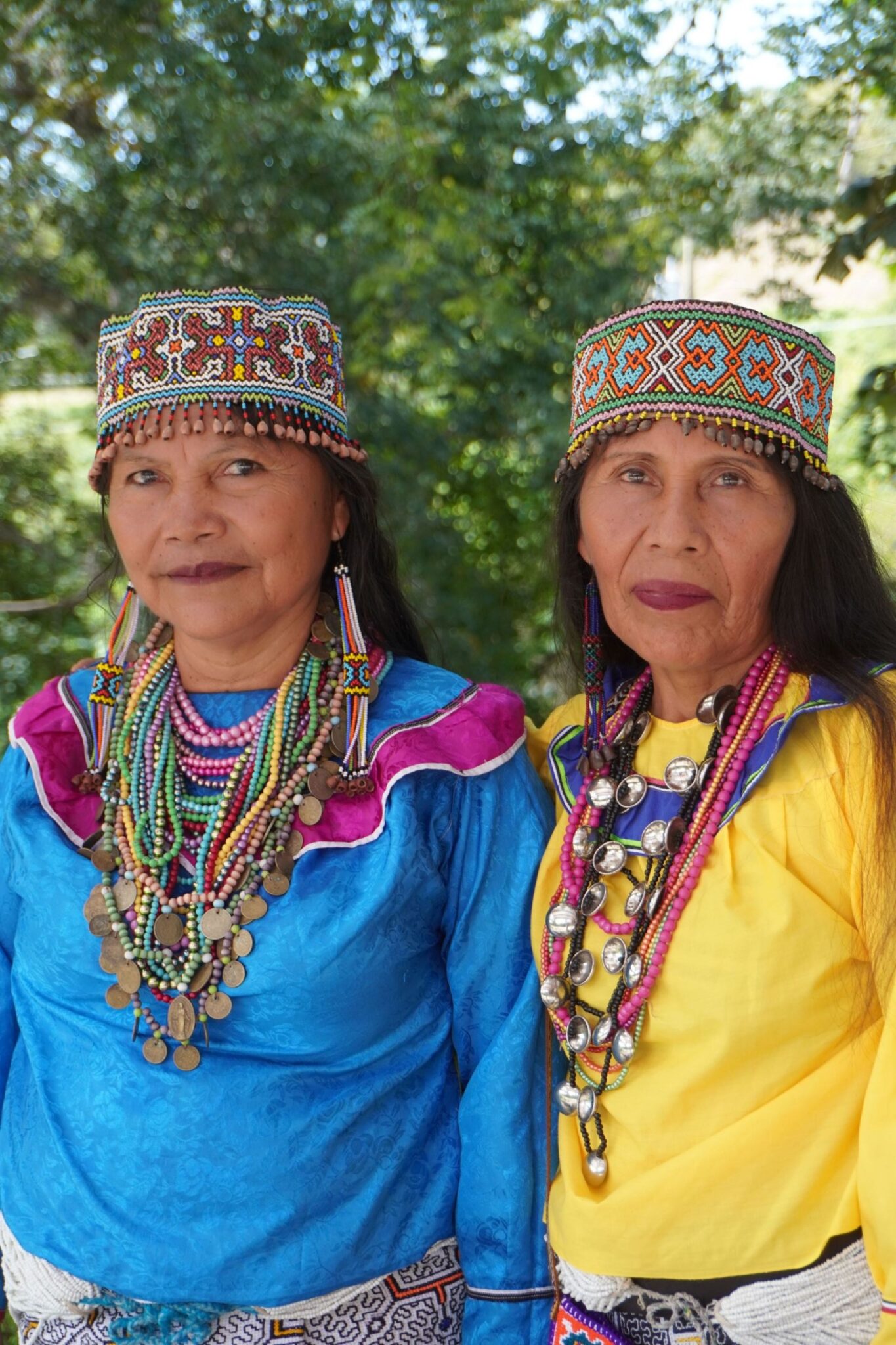
At Ananda Lodge, we offer small-group ayahuasca immersions in Costa Rica, guided in the Shipibo ceremonial tradition and supported through trauma-informed care, preparation guidance, and integration support. Shipibo medicine carriers work with icaros, sacred healing songs that guide the ceremony and support the energetic work of the medicine.
Ayahuasca travels to the root, showing where a pattern began, including what came before you. It meets you where you are; it can be tender, and it can reach layers that feel hard.
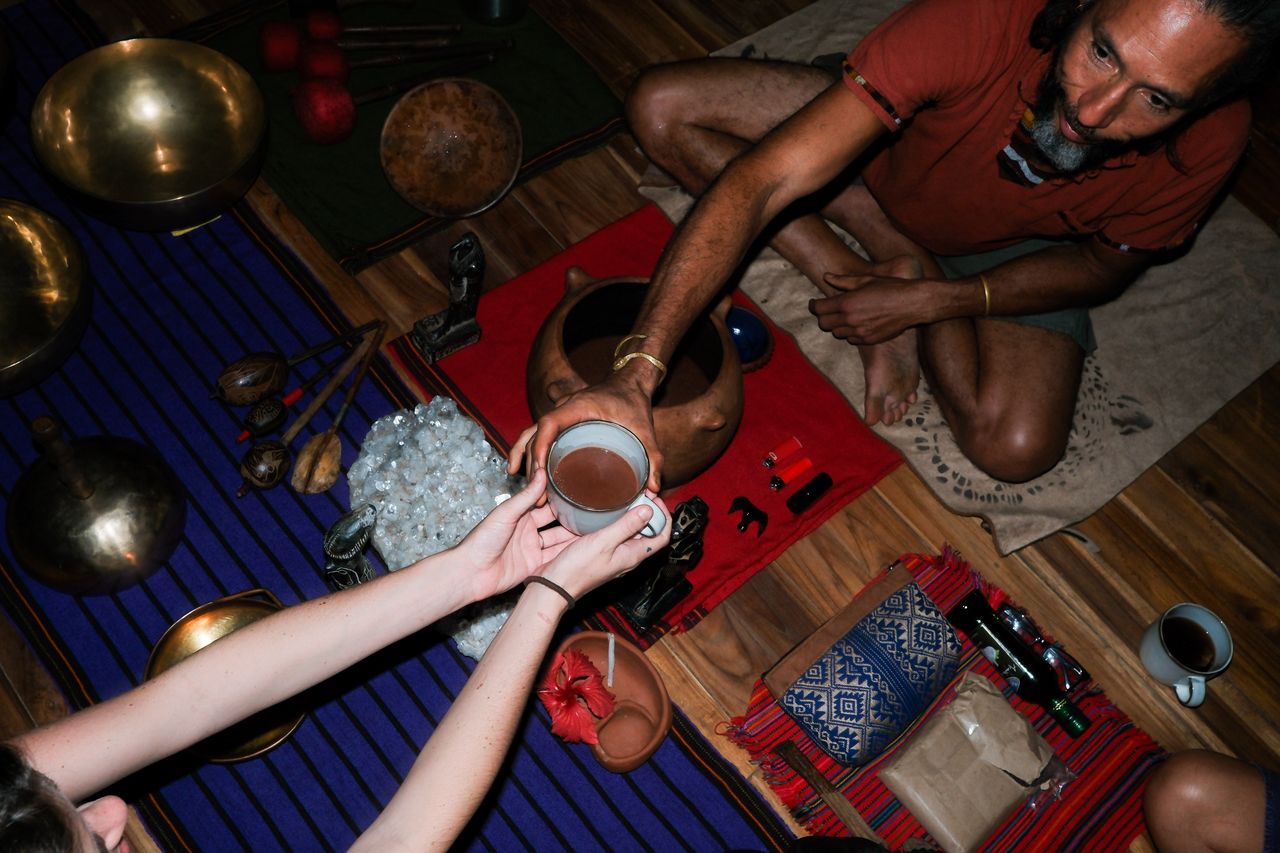
Ceremonies take place at night and typically last several hours. The medicine often works with the subconscious mind, bringing forward memories, emotions, and insights that help people understand themselves and their lives more clearly. The physical cleansing, the purge, is part of how the medicine works.

Ayahuasca and the root of the pattern.
Held in the Shipibo tradition, the medicine travels to the root, personal and ancestral, and opens paths forward in a life.
For those called to ayahuasca, new to the medicine or seeking deeper study. An apprenticeship of the self.
Many traditions describe ayahuasca as a nurturing and intelligent medicine, sometimes experienced as a feminine guiding presence.
Master plants are tools of knowledge. Guests come for growth and study as well as healing, and the work centers on what you do with what the medicine shows you.
Our immersions are intentionally small and trauma-informed, so guests feel supported throughout the process.
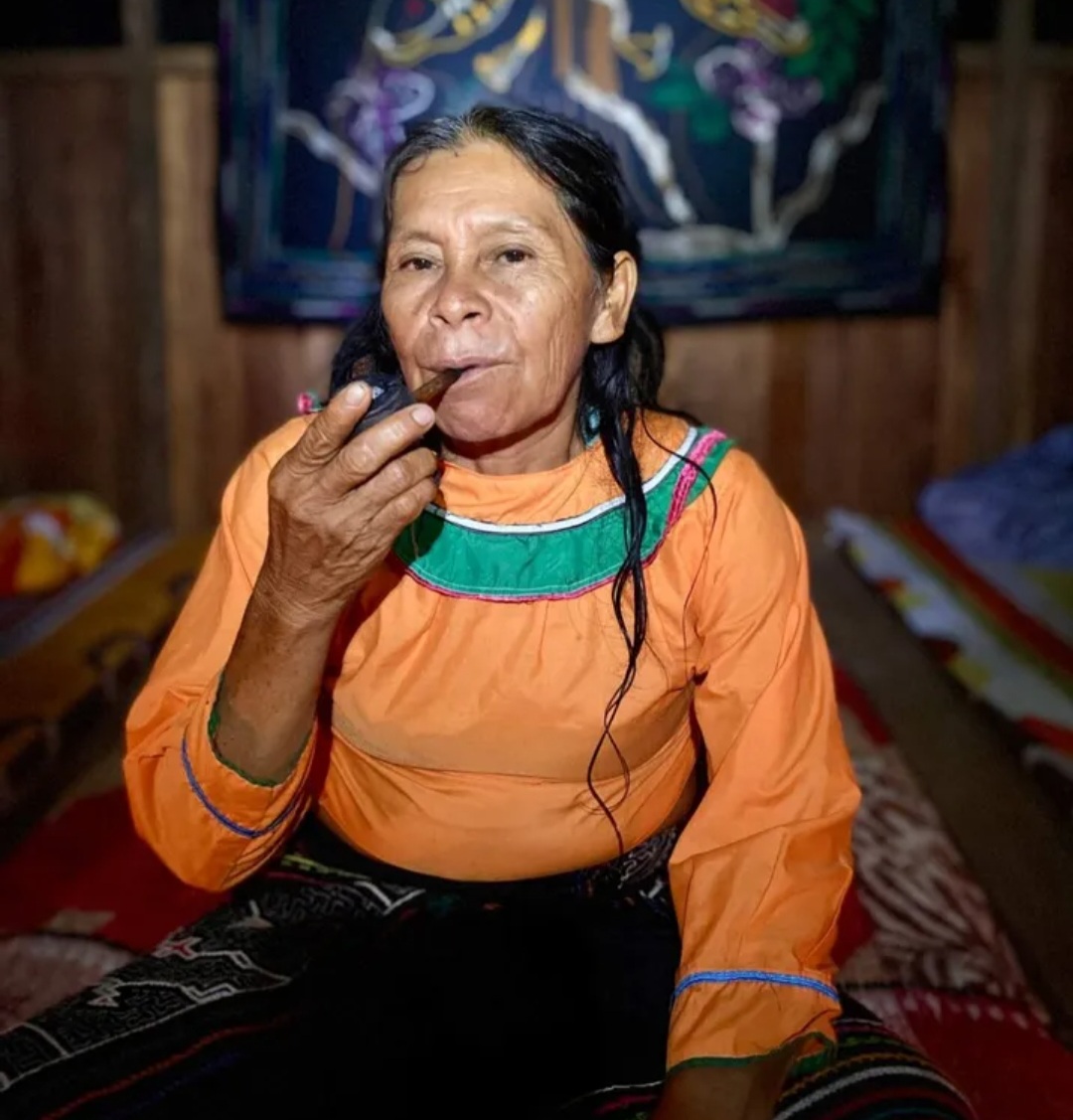
Ayahuasca indigenous history.
Ayahuasca has been used for centuries by Indigenous communities across the Amazon basin, with traditions rooted in Peru, Brazil, Colombia, and Ecuador. The brew, made from the Banisteriopsis caapi vine and chacruna leaf, reflects generations of deep ecological knowledge and relationship with the forest.
Ceremonies are guided by trained medicine carriers, often called curanderos, who spend years in apprenticeship with the plants. Songs known as icaros are used to navigate the experience, and the practice is grounded in respect, reciprocity, and connection to the natural world. In the Shipibo-Conibo tradition, the Maestro guides ceremony through icaros, healing songs learned through years of plant dietas.
In the 20th century, ayahuasca began to spread beyond the Amazon through syncretic churches like Santo Daime and União do Vegetal, and later through global interest. At Ananda Lodge, we approach this tradition with respect for its origins, while creating a setting that emphasizes preparation, safety, and integration.
A traditional Ayahuasca
immersion.
Our traditional ayahuasca immersion in Costa Rica combines indigenous ceremony with careful preparation and integration support.
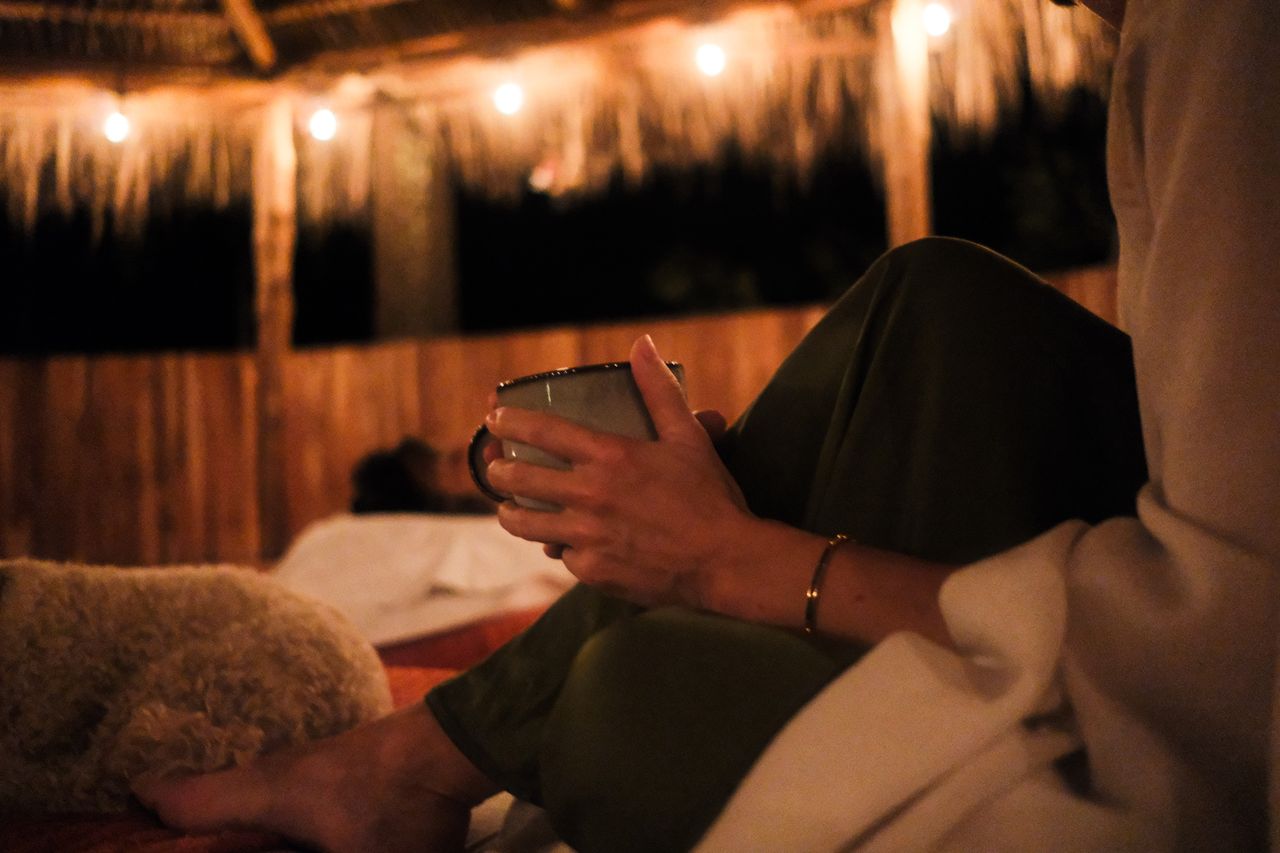
- Guided night ceremonies supported with icaros
- Ayahuasca at Ananda is held within the Empowered Path: sixteen weeks of preparation, an eight-day retreat with Maestro Wilder, and twelve weeks of follow-through. Ten guests at most.
- Preparation guidance before the immersion
- Trauma-informed care during ceremonies
- Integration support to help process your experience afterward
- A safe, comfortable jungle setting with private rooms, nourishing meals, and ocean views
"I have suffered and caused many emotional traumas, many physical traumas, and brain injury. I have tried many different options, but none have even come close to the healing and forgiveness I have received from Ayahuasca at Ananda."
 Gary · Ayahuasca
"Words cannot express how incredible and unique this place is. I have sat with Ayahuasca before, but nothing compares to sitting with the Shipibo lineage. The icaros are soo incredible and healing."
Scott · Ayahuasca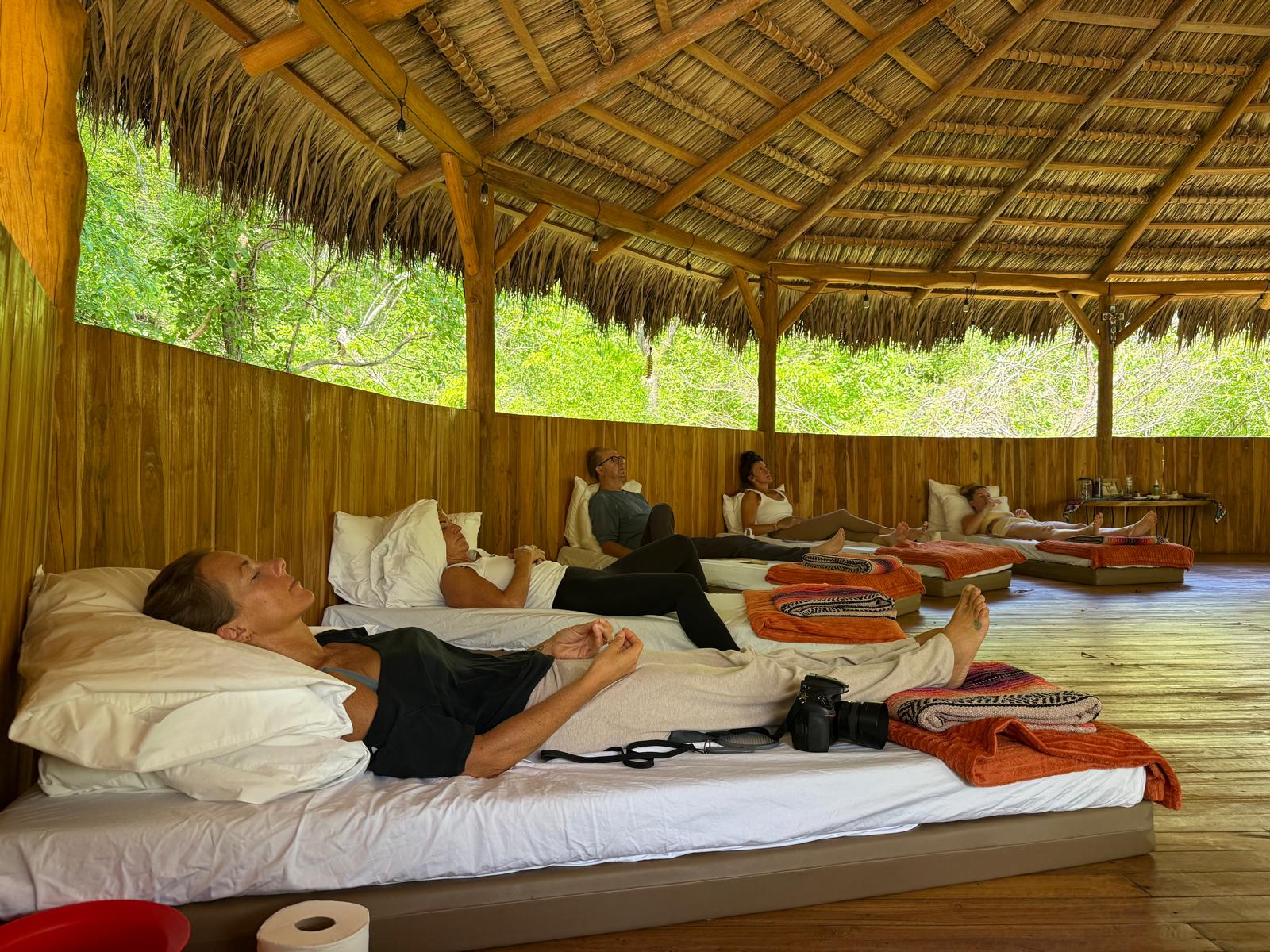
Ayahuasca, answered.
Is ayahuasca safe?
Who should not take ayahuasca?
What happens during an ayahuasca ceremony?
How should I prepare for an ayahuasca immersion?
What happens after the immersion?
Words from the lodge
Stay informed, educated, and empowered.
Somatics and plant medicine, explained plainly: practices to keep, what the research is exploring, and new immersion dates before anyone else.